
How to Save on Car Insurance
Saving on car insurance starts with a clean comparison, not with choosing the lowest monthly payment at first glance. A quote can look cheaper because the deductible is higher, coverage limits are lower, optional protections are missing, or fees are not obvious yet. The safer approach is to compare quotes with the same ZIP code, driver details, vehicle information, liability limits, deductibles, and coverage choices.
This guide explains practical ways to lower your car insurance cost while keeping coverage useful. Use it before renewal, after a move, when buying a vehicle, or when your driving record improves. You can also compare options through our auto insurance quote guide and review available discounts before choosing a policy.
Compare Car Insurance Savings by ZIP Code
Your ZIP code can affect pricing because insurers review local claim frequency, traffic patterns, theft risk, repair costs, weather exposure, and state requirements. To compare fairly, keep the same coverage setup first. Then test one change at a time, such as a higher deductible, a bundle option, or a discount program.
Start Your Auto Insurance Quote
Request auto insurance quote options by ZIP code. Final pricing, discounts, coverage, and availability depend on the provider, state, vehicle, driver profile, and information submitted.
Start With the Same Coverage Baseline
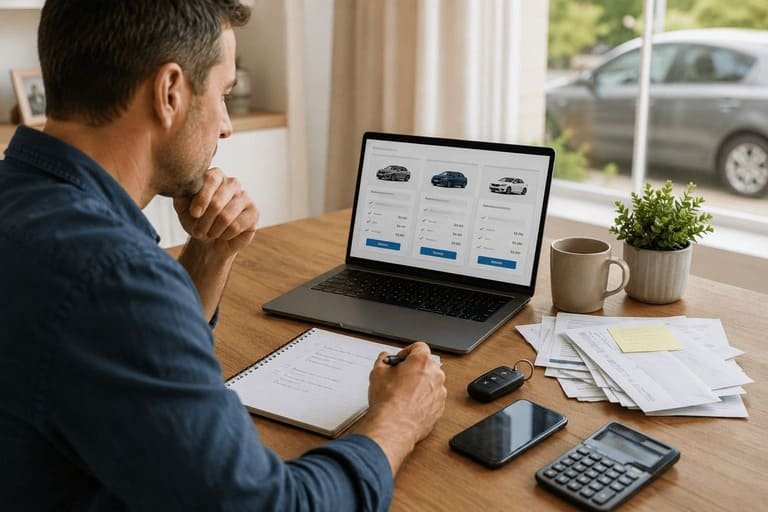
Before comparing companies, write down your current liability limits, deductibles, collision and comprehensive status, uninsured motorist coverage, roadside assistance, rental reimbursement, and payment plan. Use that same setup when requesting new quotes. This helps you understand whether a lower price is real savings or simply weaker coverage.
A baseline comparison is especially useful if you are moving, adding a driver, buying a car, changing your commute, or renewing after a claim-free period. If the first quote is lower, check the details before switching. If the coverage is different, the price comparison may not be fair.
Why the Cheapest Quote Can Be Misleading
The cheapest quote is not always the best value. A lower monthly payment can come with a higher deductible, lower liability limits, fewer optional protections, or larger installment fees. Compare the full policy term, not only the first payment, and review what you would pay out of pocket after a claim.
Practical Ways to Lower Your Premium
There are several legitimate ways to reduce your car insurance premium without automatically cutting important protection. The best option depends on your vehicle, driving history, ZIP code, coverage needs, and how much risk you can afford to take if you file a claim.
Compare Quotes at Renewal
Renewal is one of the best times to compare car insurance quotes. Rates can change after market updates, claim trends, repair cost changes, or personal profile changes. Even if your current provider was competitive before, another company may offer better value now.
Review Deductibles Carefully
Raising your deductible may lower your premium, but it also increases the amount you pay after a covered claim. Only choose a higher deductible if you can comfortably handle that out-of-pocket cost. Compare the annual premium savings against the extra claim-time risk.
Ask About Discounts
Many insurers offer discounts for safe driving, multi-car policies, anti-theft devices, defensive driving courses, paperless billing, paid-in-full plans, low mileage, and telematics programs. Review our auto insurance discounts guide to understand which savings may apply.
Check Bundling Without Reducing Coverage
Bundling auto and home insurance can reduce the total cost, but compare it carefully. A bundle is only valuable if the combined price is lower while the coverage remains strong enough. Use our home and auto bundle guide when comparing combined policy options.
Car Insurance Savings Checklist
Use this checklist before choosing a policy. It helps separate real savings from a quote that only looks cheaper because important details changed.
| Savings Step | What to Review | Why It Matters |
|---|---|---|
| Compare same coverage | Limits, deductibles, add-ons, and policy term | Prevents false savings from reduced protection |
| Check total annual cost | Monthly payments, down payment, and fees | A low first payment may not mean the cheapest policy |
| Review deductible risk | Collision and comprehensive deductibles | Higher deductibles can lower premiums but raise claim costs |
| Confirm discounts | Safe driver, bundle, paperless, low mileage, and telematics | Eligible discounts may not always be included automatically |
| Check provider fit | Claims support, billing terms, and coverage options | The cheapest provider is not always the best match |
What Not to Cut Just to Save Money
Cutting coverage too far can create a larger financial problem later. Be careful before lowering liability limits, removing uninsured motorist coverage, dropping comprehensive coverage on a vehicle you still need, or choosing a deductible that would be difficult to pay after an accident.
If you want to save, compare smaller changes first: payment method, deductible level, available discounts, mileage estimate, bundle options, and provider pricing. For more pricing context, you can review the Insurance Information Institute guide to auto insurance pricing factors.
When Switching Providers Makes Sense
Switching may make sense if your current rate increased, your discount eligibility changed, you moved to a new ZIP code, your driving record improved, or another provider offers similar coverage for a lower total cost. Before switching, confirm the new policy start date and avoid any lapse in coverage.
You can also compare providers through our auto insurance companies guide or review state-level pricing factors in the auto insurance by state guide.
FAQ: Saving on Car Insurance
These answers cover common questions about lowering car insurance costs while keeping useful coverage.
How often should I compare car insurance quotes?
Compare quotes at least once a year and after major changes such as a move, new vehicle, added driver, improved driving record, or policy renewal. Use the same coverage setup each time so the comparison is fair.
Does raising my deductible always save money?
A higher deductible can reduce your premium, but it also increases your out-of-pocket cost after a claim. It only makes sense if the annual savings are worth the added risk and you can afford the deductible.
Is bundling always the cheapest option?
Bundling can save money, but it is not always the cheapest choice. Compare the bundle against separate auto and home policies with the same coverage levels before deciding.